
How to store and handle Diesel Exhaust Fluid correctly
Improper DEF storage is one of the leading causes of SCR system damage, equipment downtime, and unexpected compliance failures. This guide covers everything you need to know about storing diesel exhaust fluid safely — from temperature limits and shelf life to container selection, contamination prevention, and on-site best practices. Need bulk DEF delivery near you? Anytime Fuel Pros provides scheduled on-site DEF delivery nationwide, eliminating storage challenges entirely.
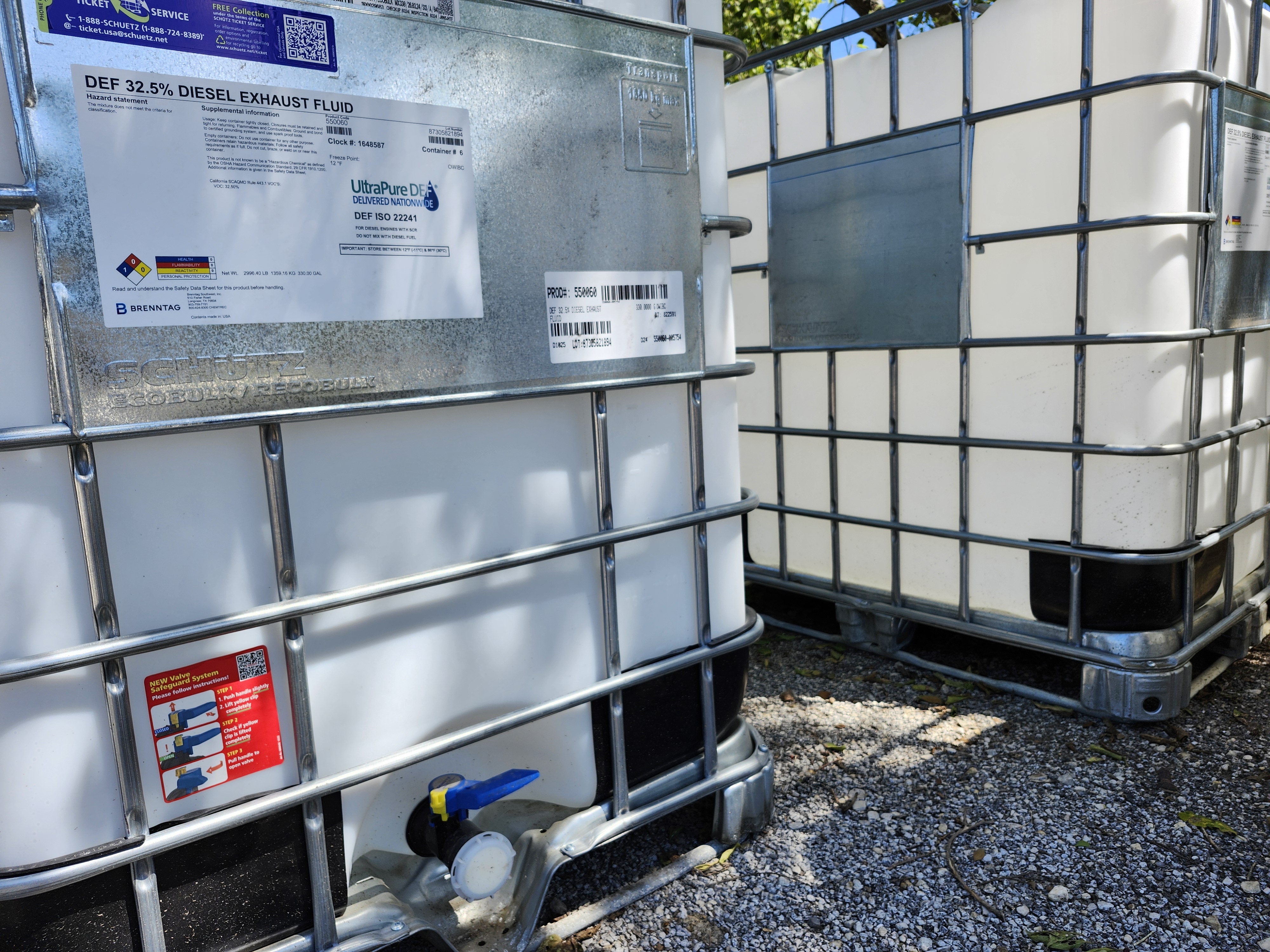
DEF storage basics every operator needs to know
Diesel Exhaust Fluid is a sensitive product. Unlike diesel fuel, DEF has strict storage requirements that directly affect its chemical composition and effectiveness. DEF that has been improperly stored may look and smell the same but can have a urea concentration outside the ISO 22241 specification — making it ineffective at reducing NOx emissions and potentially damaging to SCR components.
The two main enemies of DEF are temperature extremes and contamination. Heat causes the urea to break down, reducing concentration. Cold causes freezing — though DEF recovers fully after thawing. Contamination from metals, minerals, or other fluids can permanently damage catalysts and dosing systems. Many fleet operators and construction sites choose scheduled bulk DEF delivery service to eliminate on-site storage risk entirely — receiving fresh, ISO 22241-certified diesel exhaust fluid on demand.
Following proper storage protocols protects your equipment investment, maintains EPA compliance, and ensures your DEF is performing as intended every time it is injected into your exhaust system.
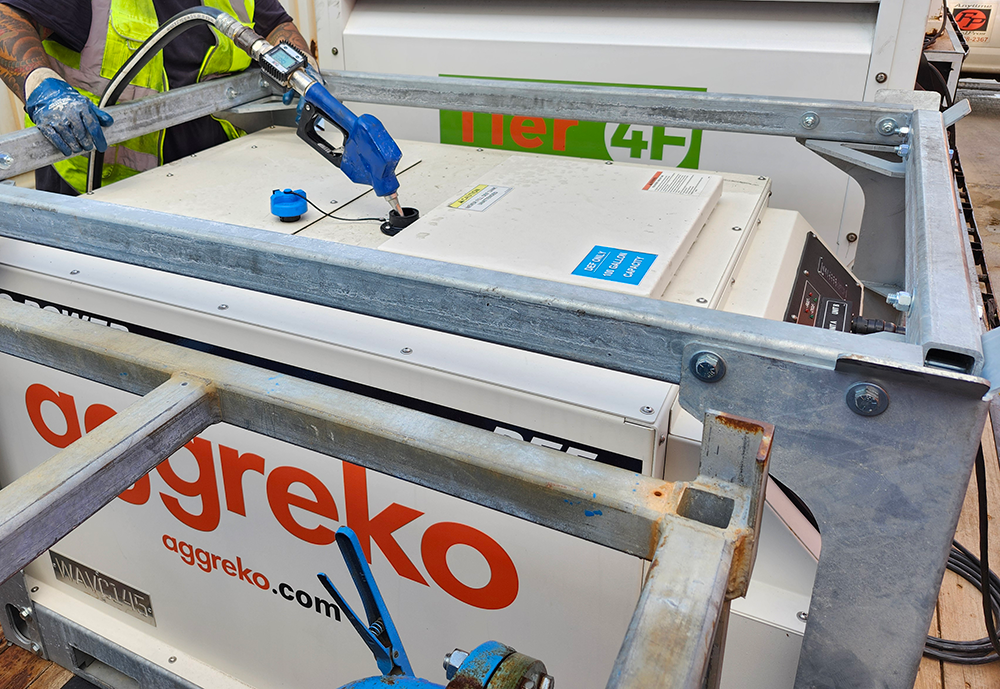

DEF temperature limits and what they mean
Temperature is the single most important factor in DEF storage. ISO 22241 specifies a storage range of 12°F to 86°F (-11°C to 30°C) for maintaining DEF quality over its full shelf life. Operating outside this range — even temporarily — can degrade your DEF without any visible indication.
Understanding what happens at each temperature extreme helps operators make better decisions about tank placement, insulation, and delivery scheduling.
DEF freezes — but recovers
DEF freezes at 12°F (-11°C). Freezing does not damage DEF — once thawed, it returns to full effectiveness. Most modern equipment has DEF tank heaters for cold climates.
Ideal storage range
DEF stored within this range maintains full shelf life and ISO 22241 specification. This is the target range for bulk tanks, totes, and indoor storage.
Caution zone — reduce shelf life
Prolonged storage above 77°F begins to accelerate urea decomposition. DEF can still be used but shelf life is reduced. Avoid storing in direct sunlight in warm climates.
Degradation zone — do not store
Above 86°F, urea breaks down rapidly into ammonia, dropping concentration below ISO 22241 minimums. DEF exposed to sustained heat above 86°F should be tested or discarded.
How long does DEF last in storage?
DEF has a shelf life of approximately 1–2 years when stored correctly. The actual shelf life depends heavily on storage temperature — every increase of 10°C above the ideal range approximately halves the remaining shelf life. Most DEF containers are date-stamped at the point of manufacture.
For bulk storage tanks, it is important to practice FIFO (first in, first out) rotation to ensure older DEF is consumed before newer deliveries. Bulk tanks should be cleaned periodically to prevent mineral deposits from contaminating fresh DEF.
If you suspect DEF has degraded — particularly if it has been stored in high heat for extended periods — a urea concentration test kit can verify whether the concentration still meets ISO 22241 specifications before use.

DEF container types and when to use them
The right container depends on your operation size, consumption rate, and site setup. Here is a breakdown of the four most common DEF storage formats.
Retail Jugs
Available at most truck stops and auto parts stores. Convenient for occasional top-offs and emergency use. Not cost-effective for regular fleet consumption.
Drums
A practical mid-range option for small fleets. Easy to store and transport, compatible with drum pumps. Good for operations consuming 50–200 gallons per month.
Totes (IBC)
Intermediate bulk containers are the most versatile option for mid-size operations. DEF-dedicated IBC totes should be used — never repurpose containers used for other fluids.
Bulk Tanks
Fixed or portable bulk tanks are the most cost-effective solution for high-consumption operations. Paired with a scheduled bulk DEF delivery service like Anytime Fuel Pros, bulk tank storage eliminates emergency orders and keeps your fleet compliant year-round. The most popular option for fleets searching for DEF delivery near me.
What contaminates DEF and why it matters
DEF contamination is a serious risk that can cause irreversible damage to SCR catalysts and dosing systems. Unlike fuel contamination, which is often detectable by smell or appearance, DEF contamination is frequently invisible — the fluid looks clear and normal while the SCR system is being quietly damaged.
The most common sources of contamination are using non-DEF-dedicated containers, cross-contamination with diesel fuel or other fluids, and mineral deposits from hard water or unclean tanks. Always use DEF-specific containers, pumps, and dispensing equipment.
Diesel fuel cross-contamination
Even trace amounts of diesel in DEF can damage the SCR catalyst. Never use diesel containers, pumps, or nozzles for DEF. DEF fill ports are intentionally smaller than diesel nozzles to prevent misfueling.
Metal contamination
DEF reacts with copper, zinc, and other metals, forming deposits that clog injectors and damage catalyst surfaces. Use only DEF-compatible materials — stainless steel, polyethylene, or polypropylene.
Tap water or non-deionized water
Adding tap water to dilute DEF or top off low tanks introduces minerals that contaminate the solution and alter its urea concentration. Only use ISO-certified DEF from reputable suppliers.
Repurposed containers
Never store DEF in containers previously used for any other substance. Residue from previous contents — even water — can introduce contaminants that degrade DEF quality.
On-site DEF storage tips
Practical steps your operation can take right now to improve DEF storage practices and protect your equipment.
Store in a shaded, temperature-controlled area
Keep DEF tanks and totes out of direct sunlight. In hot climates, shade structures or insulated enclosures significantly extend shelf life and maintain ISO 22241 compliance.
Use dedicated DEF-only equipment
All pumps, hoses, nozzles, and containers must be DEF-exclusive. Label everything clearly. Never allow DEF equipment to be used for any other fluid, even temporarily.
Keep containers sealed when not in use
Exposure to open air introduces dust, insects, and moisture. Always recap containers immediately after use. Bulk tank vents should be fitted with desiccant filters.
Monitor inventory and rotate stock
Track DEF deliveries and consumption. Practice FIFO rotation — draw from the oldest stock first. Set reorder thresholds to avoid running low and ordering emergency quantities.
Inspect tanks and totes regularly
Check for cracks, leaks, and discoloration. Clean bulk tanks annually to remove mineral deposits. Inspect pump filters and replace as needed to prevent particulate contamination.
Consider scheduled bulk delivery
The simplest way to maintain fresh, compliant DEF on site is scheduled bulk DEF delivery from a trusted supplier near you. Anytime Fuel Pros provides commercial DEF delivery nationwide — on-site diesel exhaust fluid delivery on a schedule that fits your operation, with no contracts required.
DEF storage frequently asked questions
Common questions from fleet managers and equipment operators about storing and handling DEF on site.
Skip the storage headaches — get DEF delivered
The simplest solution to DEF storage and handling challenges is scheduled bulk DEF delivery directly to your site. If you've been searching for DEF delivery near me or a reliable on-site DEF delivery service, Anytime Fuel Pros delivers fresh, ISO 22241-certified diesel exhaust fluid nationwide to fleet yards, construction sites, and job locations — on your schedule, with zero storage management required on your end. Same-day and next-day DEF tank refill service available in most markets.